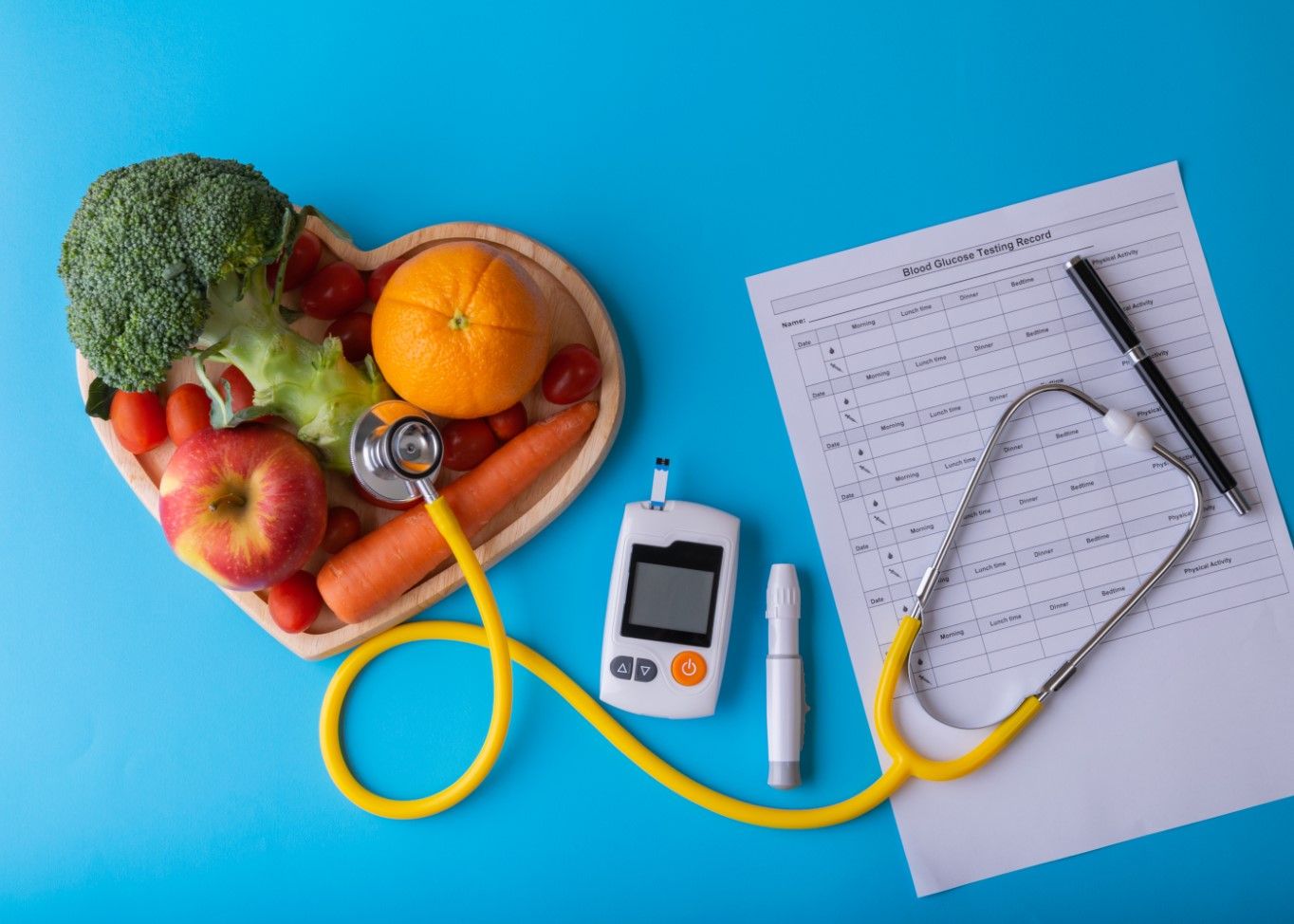
Dietary Bioactive Fats from Olive Oil Clinical Perspectives on Cardiovascular and Glycemic Benefits
Olive oil is a heart- and metabolism-friendly dietary fat that contributes to cardiovascular protection and glycemic control. It exerts its benefits by mitigating LDL oxidation, reducing inflammatory processes, enhancing insulin sensitivity, and supporting endothelial function. Different types of olive oil cater to diverse culinary practices without compromising their health-promoting properties. Extra virgin olive oil is ideal for low-heat applications, while olive oil designed for Indian cooking withstands a high smoke point. Classic olive oil offers a robust flavor suited for Mediterranean and specialty recipes. Clinical studies link regular olive oil consumption with improved lipid parameters, lower HbA1c, and reduced HOMA-IR, reinforcing its role as a dual-purpose dietary strategy for cardiovascular disease and type 2 diabetes risk reduction.
_page-0001.jpg)
_page-0002.jpg)

Dr. C B Keshavamurthy
MBBS - Bangalore Medical College | MD - BJ Medical College, Pune | DM - LT Medical College, Mumbai | DNB - National Board Exams,Consultant - Cardiology - Interventional, Manipal Hospital Mysuru, An em...
Cardiology

Dr. Manish Agarwal
MBBS, MD, PhD Diabetes, Founder and Director of Medilink Hospital and Research Center, a premier diabetes care institution in Ahmedabad. He holds a first-class postgraduate program in Diabetology from...
Diabetology
Related Content

Video
Not All Fats Are Equal: The Case for MUFA Over Saturated Fat in Type 2 Diabetes
Fasting lipid and glucose parameters are routinely assessed; however, individuals predominantly exist in the postprandial state, during which dietary fats play a vital role and are not all the same. After a fatty meal, triglycerides rise and act as an independent risk factor for cardiovascular disease. Saturated fats have a prolonged circulation time, whereas monounsaturated fats (MUFA) have shorter circulation and reduce inflammation and inflammatory markers. MUFA improves insulin sensitivity and reduces post-meal glucose spikes. In type 2 diabetes, replacing saturated fats with MUFA improves postprandial glucose and cholesterol control.1,2,3,4 Reference(s): 1. Estruch R, Ros E, Salas-Salvadó J, et al. RETRACTED: Primary prevention of cardiovascular disease with a Mediterranean diet. N Engl J Med. 2013;368(14):1279-1290. doi:10.1056/NEJMoa1200303. https://www.nejm.org/doi/full/10.1056/NEJMoa1200303 2. Cicerale S, Lucas L, Keast R. Biological activities of phenolic compounds present in virgin olive oil. Int J Mol Sci. 2010;11(2):458-479. Published 2010 Feb 2. doi:10.3390/ijms11020458. https://pmc.ncbi.nlm.nih.gov/articles/PMC2852848/ 3. Schwingshackl L, Hoffmann G. Monounsaturated fatty acids, olive oil and health status: a systematic review and meta-analysis of cohort studies. Lipids Health Dis. 2014;13:154. Published 2014 Oct 1. doi:10.1186/1476-511X-13-154. https://pmc.ncbi.nlm.nih.gov/articles/PMC4198773/ 4. Liva K, Panagiotopoulos AA, Foscolou A, et al. High Polyphenol Extra Virgin Olive Oil and Metabolically Unhealthy Obesity: A Scoping Review of Preclinical Data and Clinical Trials. Clin Pract. 2025;15(3):54. Published 2025 Mar 7. doi:10.3390/clinpract15030054. https://pmc.ncbi.nlm.nih.gov/articles/PMC11941193/

Video
Olive Oil Integrated Cardiometabolic Care: Beyond Lipid Lowering to Inflammation and Oxidative Stress
Fasting lipid and glucose values are important indicators of cardiometabolic health; however, most patients spend the majority of their time in the postprandial state, where dietary fats play a significant role. Following a fatty meal, triglyceride levels rise and contribute to cardiovascular risk. Saturated fats remain in circulation longer, whereas monounsaturated fats (MUFAs) help reduce inflammation and inflammatory markers associated with cardiovascular disease. Compared with saturated fats, MUFAs improve insulin sensitivity, reduce post-meal glucose spikes, and help control blood glucose and cholesterol levels, supporting both cardiovascular and glycemic health.[1][2][3][4] Reference(s): 1. Estruch R, Ros E, Salas-Salvadó J, et al. RETRACTED: Primary prevention of cardiovascular disease with a Mediterranean diet. N Engl J Med. 2013;368(14):1279-1290. doi:10.1056/NEJMoa1200303. https://www.nejm.org/doi/full/10.1056/NEJMoa1200303 2. Cicerale S, Lucas L, Keast R. Biological activities of phenolic compounds present in virgin olive oil. Int J Mol Sci. 2010;11(2):458-479. Published 2010 Feb 2. doi:10.3390/ijms11020458. https://pmc.ncbi.nlm.nih.gov/articles/PMC2852848/ 3. Schwingshackl L, Hoffmann G. Monounsaturated fatty acids, olive oil and health status: a systematic review and meta-analysis of cohort studies. Lipids Health Dis. 2014;13:154. Published 2014 Oct 1. doi:10.1186/1476-511X-13-154. https://pmc.ncbi.nlm.nih.gov/articles/PMC4198773/ 4. Liva K, Panagiotopoulos AA, Foscolou A, et al. High Polyphenol Extra Virgin Olive Oil and Metabolically Unhealthy Obesity: A Scoping Review of Preclinical Data and Clinical Trials. Clin Pract. 2025;15(3):54. Published 2025 Mar 7. doi:10.3390/clinpract15030054. https://pmc.ncbi.nlm.nih.gov/articles/PMC11941193/
Knowledge Post
Fat Quality as a Metabolic Regulator
Knowledge Post
Dietary Fat Quality and Inflammation
Video
Postprandial Inflammation: Impact of Modern Diets on Cardiometabolic Risk
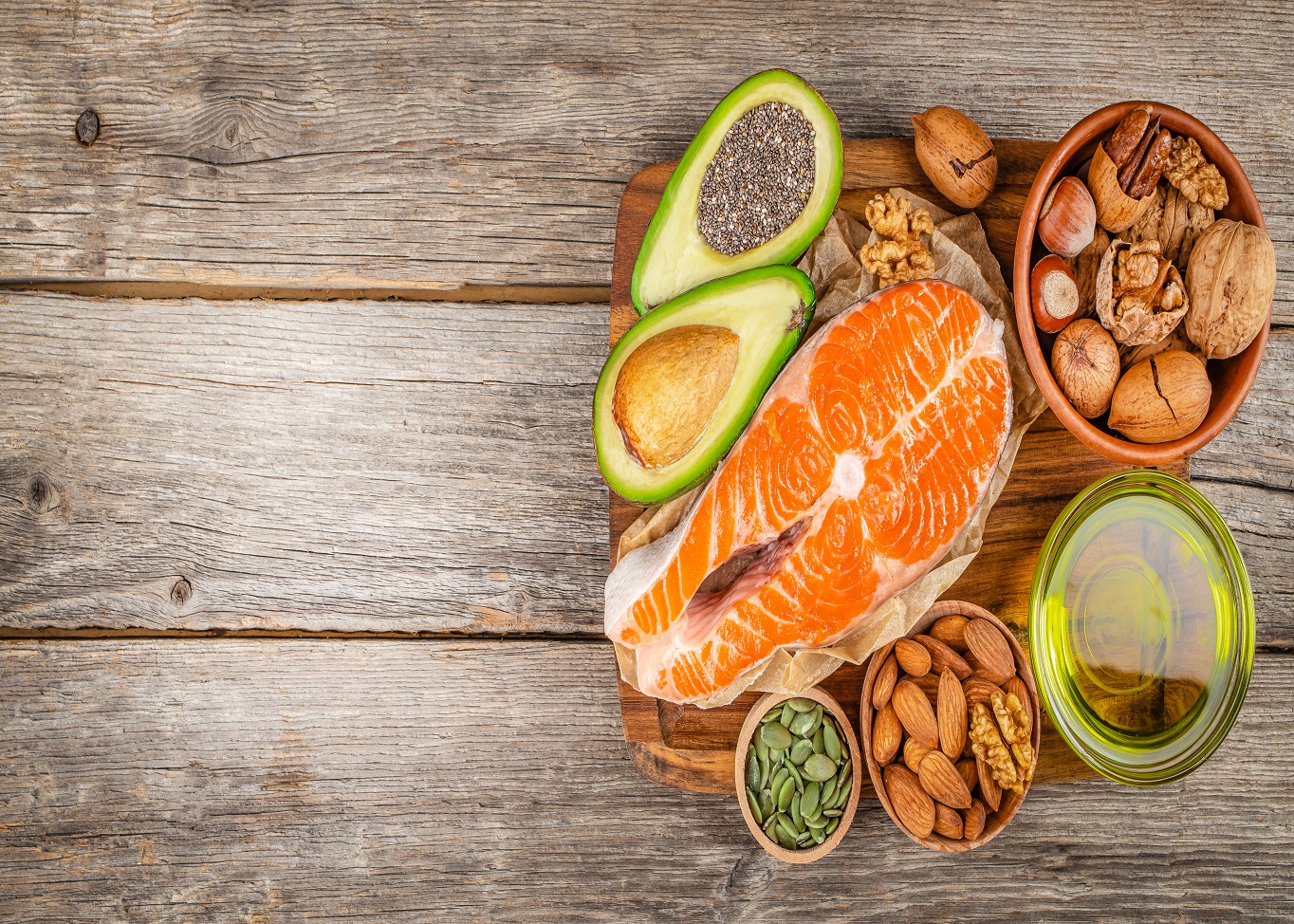
Postprandial inflammation is an important contributor to atherosclerosis and cardiometabolic risk. Modern diets rich in saturated fats and refined oils promote postprandial elevations in triglycerides and glucose, triggering oxidative stress, inflammation, and endothelial dysfunction. Saturated fat-rich meals induce greater inflammatory responses than unsaturated fat-rich diets. In contrast, the Mediterranean diet, particularly extra virgin olive oil, helps reduce oxidative stress and inflammation while improving endothelial function, supporting cardiovascular health.
Video
MUFA vs Saturated Fats: Postprandial Glucose and Lipid Responses
Most individuals spend the majority of the day in a postprandial state, making post-meal lipid and glucose responses clinically important in cardiometabolic risk assessment. In this setting, dietary fat quality is as important as fat quantity. Both saturated fats and monounsaturated fatty acids (MUFAs) increase postprandial triglycerides, a recognized cardiovascular risk marker, but their metabolic handling differs. Saturated fats form smaller chylomicrons with prolonged vascular exposure and greater atherogenic potential, whereas MUFAs form larger chylomicrons with faster clearance. MUFAs also improve fat oxidation and reduce prothrombotic factors such as Factor VII, while fat type independently influences glucose metabolism beyond carbohydrate intake.[1][2] In type 2 diabetes, replacing saturated fats with MUFAs improves insulin sensitivity, β-cell function, postprandial glycemia, and lipemia.[3] Reference(s): 1. DiNicolantonio JJ, O’Keefe JH. Effects of dietary fats on blood lipids: a review of direct comparison trials. Open Heart. 2018 Jul 25;5(2). https://openheart.bmj.com/content/5/2/e000871 2. Sciarrillo CM, Koemel NA, Tomko PM, Bode KB, Emerson SR. Postprandial lipemic responses to various sources of saturated and monounsaturated fat in adults. Nutrients. 2019 May 16;11(5):1089. https://pmc.ncbi.nlm.nih.gov/articles/PMC6567267/ 3. Lopez S, Bermudez B, Ortega A, Varela LM, Pacheco YM, Villar J, Abia R, Muriana FJ. Effects of meals rich in either monounsaturated or saturated fat on lipid concentrations and on insulin secretion and action in subjects with high fasting triglyceride concentrations. The American Journal of Clinical Nutrition. 2011 Mar 1;93(3):494–9. https://doi.org/10.3945/ajcn.110.003251

Article
Extra Virgin Olive Oil in Glycemic Control & Insulin Sensitivity: Clinical Evidence and Mechanisms
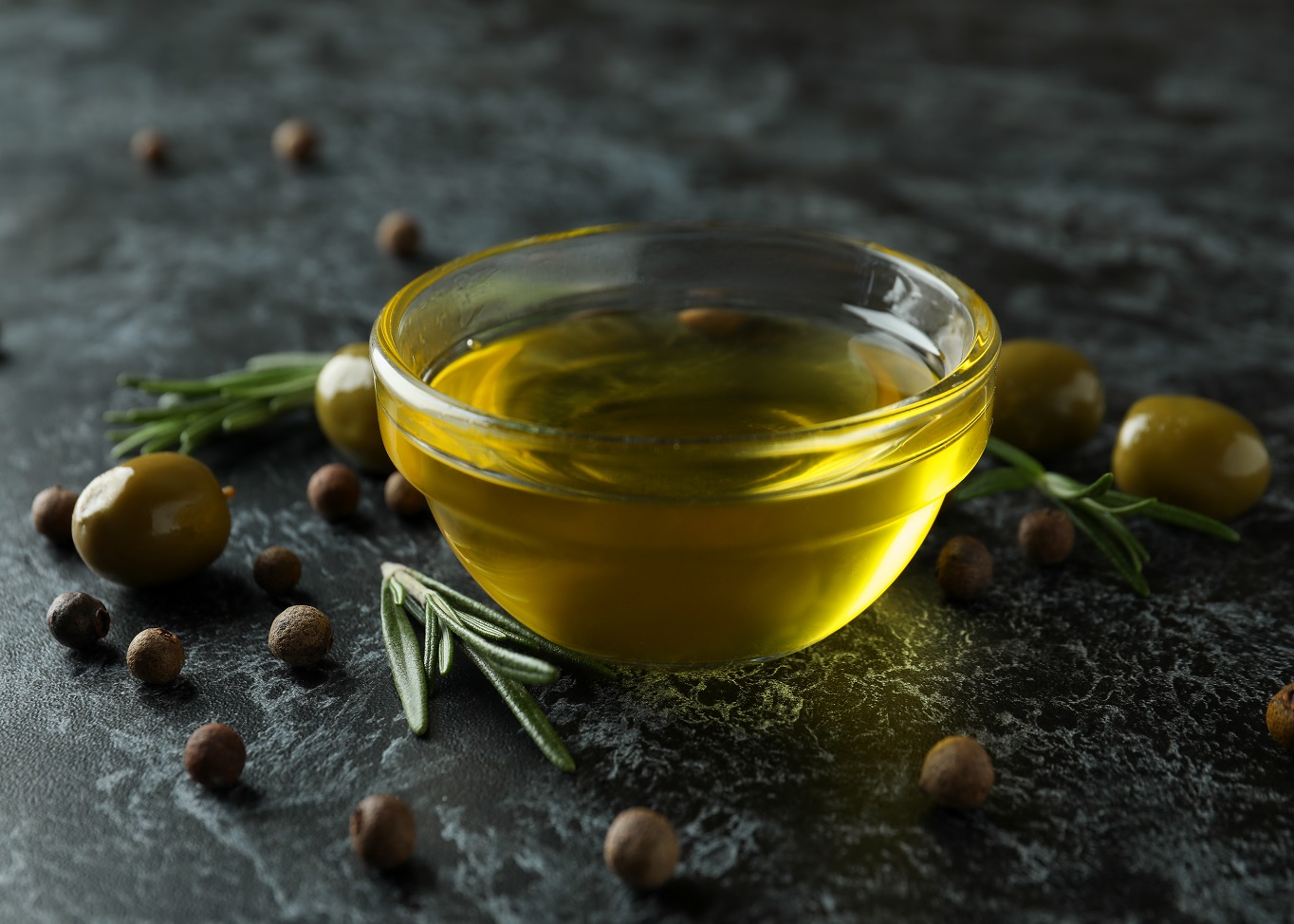
India faces a substantial diabetes burden, with 101 million affected adults and 136 million in the prediabetes window of prevention, underscoring the need for feasible dietary interventions.[1] Extra virgin olive oil (EVOO), distinguished by 70-85% MUFA content and bioactive polyphenols including oleocanthal, oleuropein, and hydroxytyrosol, demonstrates meaningful metabolic benefit.[2][3] A comprehensive dose-response meta-analysis of 51 RCTs (n=4,334) confirmed that 25–50 g/day significantly improves HOMA-IR (WMD −0.09; P=.024), supporting EVOO integration into Indian dietary patterns for glycemic modulation.[4] Reference(s): 1. Anjana RM, Unnikrishnan R, Deepa M, et al; ICMR-INDIAB Collaborative Study Group. Metabolic non-communicable disease health report of the ICMR-INDIAB national cross-sectional study (ICMR-INDIAB-17). Lancet Diabetes Endocrinol. 2023;11(7):474-489. doi:10.1016/S2213-8587(23)00119-5. https://pubmed.ncbi.nlm.nih.gov/37301218/ 2. Gorzynik-Debicka M, Przychodzen P, Cappello F, et al. Potential health benefits of olive oil and plant polyphenols. Int J Mol Sci. 2018;19(3):686. doi:10.3390/ijms19030686. https://pubmed.ncbi.nlm.nih.gov/29495598/ 3. Jimenez-Lopez C, Carpena M, Lourenço-Lopes C, et al. Bioactive Compounds and Quality of Extra Virgin Olive Oil. Foods. 2020;9(8):1014. Published 2020 Jul 28. doi:10.3390/foods9081014. https://pmc.ncbi.nlm.nih.gov/articles/PMC7466243/ 4. Takhttavous A, Rostampour K, Gerami S, Mohammadi-Sartang M. The Effect of Different Types of Olive Oil on Glucose Control and Insulin Sensitivity: A GRADE-Assessed Systematic Review and Dose-Response Meta-Analysis of 51 Randomized Controlled Trials. Nutr Rev. 2026;84(2):345-365. doi:10.1093/nutrit/nuaf099. https://pubmed.ncbi.nlm.nih.gov/40971936/
Video
Extra Virgin Olive Oil as an Anti-Inflammatory Intervention: Mechanisms and Clinical Evidence
Chronic inflammation is a central amplifier of cardiometabolic and cardiovascular disease, driving endothelial dysfunction, oxidative stress, and progressive vascular injury.[1] Dietary compounds influence these pathways, including bioactive polyphenols in extra virgin olive oil (EVOO) — such as hydroxytyrosol and oleuropein — alongside monounsaturated fatty acids (MUFAs), predominantly oleic acid. EVOO exerts anti-inflammatory and antioxidant effects by modulating inflammatory signalling pathways, immune cell activity, and endothelial responses, thereby reducing vascular damage. It represents a clinically relevant dietary strategy that complements medical nutrition therapy in cardiometabolic risk management.[2][3][4] Reference(s): 1. Higashi Y. Roles of oxidative stress and inflammation in vascular endothelial dysfunction-related disease. Antioxidants. 2022 Sep 30;11(10):1958. 2. Ghazali R. Olive oil Compounds: Biological and Chemical Actions for Health-An updated review. Food Chemistry Advances. 2026 Mar 10:101273. https://www.sciencedirect.com/science/article/pii/S2772753X26000560 3. Casas R, Estruch R, Sacanella E. The protective effects of extra virgin olive oil on immune-mediated inflammatory responses. Endocrine, Metabolic & Immune Disorders—Drug Targets. 2018;18(1):23-35. https://www.researchgate.net/profile/Rosa-Casas2/publication/321135121_The_Protective_Effects_of_Extra_Virgin_Olive_Oil_on_Immune-mediated_Inflammatory_Responses.pdf 4. Milena E, Maurizio M. Exploring the cardiovascular benefits of extra Virgin Olive oil: insights into mechanisms and therapeutic potential. Biomolecules. 2025 Feb 14;15(2):284. https://www.mdpi.com/2218-273X/15/2/284