MUFA vs Saturated Fats: Postprandial Glucose and Lipid Responses
Most individuals spend the majority of the day in a postprandial state, making post-meal lipid and glucose responses clinically important in cardiometabolic risk assessment. In this setting, dietary fat quality is as important as fat quantity. Both saturated fats and monounsaturated fatty acids (MUFAs) increase postprandial triglycerides, a recognized cardiovascular risk marker, but their metabolic handling differs. Saturated fats form smaller chylomicrons with prolonged vascular exposure and greater atherogenic potential, whereas MUFAs form larger chylomicrons with faster clearance. MUFAs also improve fat oxidation and reduce prothrombotic factors such as Factor VII, while fat type independently influences glucose metabolism beyond carbohydrate intake.[1][2] In type 2 diabetes, replacing saturated fats with MUFAs improves insulin sensitivity, β-cell function, postprandial glycemia, and lipemia.[3]
Reference(s):
1. DiNicolantonio JJ, O’Keefe JH. Effects of dietary fats on blood lipids: a review of direct comparison trials. Open Heart. 2018 Jul 25;5(2). https://openheart.bmj.com/content/5/2/e000871
2. Sciarrillo CM, Koemel NA, Tomko PM, Bode KB, Emerson SR. Postprandial lipemic responses to various sources of saturated and monounsaturated fat in adults. Nutrients. 2019 May 16;11(5):1089. https://pmc.ncbi.nlm.nih.gov/articles/PMC6567267/
3. Lopez S, Bermudez B, Ortega A, Varela LM, Pacheco YM, Villar J, Abia R, Muriana FJ. Effects of meals rich in either monounsaturated or saturated fat on lipid concentrations and on insulin secretion and action in subjects with high fasting triglyceride concentrations. The American Journal of Clinical Nutrition. 2011 Mar 1;93(3):494–9. https://doi.org/10.3945/ajcn.110.003251
Related Content

Video
Not All Fats Are Equal: The Case for MUFA Over Saturated Fat in Type 2 Diabetes
Fasting lipid and glucose parameters are routinely assessed; however, individuals predominantly exist in the postprandial state, during which dietary fats play a vital role and are not all the same. After a fatty meal, triglycerides rise and act as an independent risk factor for cardiovascular disease. Saturated fats have a prolonged circulation time, whereas monounsaturated fats (MUFA) have shorter circulation and reduce inflammation and inflammatory markers. MUFA improves insulin sensitivity and reduces post-meal glucose spikes. In type 2 diabetes, replacing saturated fats with MUFA improves postprandial glucose and cholesterol control.1,2,3,4 Reference(s): 1. Estruch R, Ros E, Salas-Salvadó J, et al. RETRACTED: Primary prevention of cardiovascular disease with a Mediterranean diet. N Engl J Med. 2013;368(14):1279-1290. doi:10.1056/NEJMoa1200303. https://www.nejm.org/doi/full/10.1056/NEJMoa1200303 2. Cicerale S, Lucas L, Keast R. Biological activities of phenolic compounds present in virgin olive oil. Int J Mol Sci. 2010;11(2):458-479. Published 2010 Feb 2. doi:10.3390/ijms11020458. https://pmc.ncbi.nlm.nih.gov/articles/PMC2852848/ 3. Schwingshackl L, Hoffmann G. Monounsaturated fatty acids, olive oil and health status: a systematic review and meta-analysis of cohort studies. Lipids Health Dis. 2014;13:154. Published 2014 Oct 1. doi:10.1186/1476-511X-13-154. https://pmc.ncbi.nlm.nih.gov/articles/PMC4198773/ 4. Liva K, Panagiotopoulos AA, Foscolou A, et al. High Polyphenol Extra Virgin Olive Oil and Metabolically Unhealthy Obesity: A Scoping Review of Preclinical Data and Clinical Trials. Clin Pract. 2025;15(3):54. Published 2025 Mar 7. doi:10.3390/clinpract15030054. https://pmc.ncbi.nlm.nih.gov/articles/PMC11941193/

Video
Olive Oil Integrated Cardiometabolic Care: Beyond Lipid Lowering to Inflammation and Oxidative Stress
Fasting lipid and glucose values are important indicators of cardiometabolic health; however, most patients spend the majority of their time in the postprandial state, where dietary fats play a significant role. Following a fatty meal, triglyceride levels rise and contribute to cardiovascular risk. Saturated fats remain in circulation longer, whereas monounsaturated fats (MUFAs) help reduce inflammation and inflammatory markers associated with cardiovascular disease. Compared with saturated fats, MUFAs improve insulin sensitivity, reduce post-meal glucose spikes, and help control blood glucose and cholesterol levels, supporting both cardiovascular and glycemic health.[1][2][3][4] Reference(s): 1. Estruch R, Ros E, Salas-Salvadó J, et al. RETRACTED: Primary prevention of cardiovascular disease with a Mediterranean diet. N Engl J Med. 2013;368(14):1279-1290. doi:10.1056/NEJMoa1200303. https://www.nejm.org/doi/full/10.1056/NEJMoa1200303 2. Cicerale S, Lucas L, Keast R. Biological activities of phenolic compounds present in virgin olive oil. Int J Mol Sci. 2010;11(2):458-479. Published 2010 Feb 2. doi:10.3390/ijms11020458. https://pmc.ncbi.nlm.nih.gov/articles/PMC2852848/ 3. Schwingshackl L, Hoffmann G. Monounsaturated fatty acids, olive oil and health status: a systematic review and meta-analysis of cohort studies. Lipids Health Dis. 2014;13:154. Published 2014 Oct 1. doi:10.1186/1476-511X-13-154. https://pmc.ncbi.nlm.nih.gov/articles/PMC4198773/ 4. Liva K, Panagiotopoulos AA, Foscolou A, et al. High Polyphenol Extra Virgin Olive Oil and Metabolically Unhealthy Obesity: A Scoping Review of Preclinical Data and Clinical Trials. Clin Pract. 2025;15(3):54. Published 2025 Mar 7. doi:10.3390/clinpract15030054. https://pmc.ncbi.nlm.nih.gov/articles/PMC11941193/
Knowledge Post
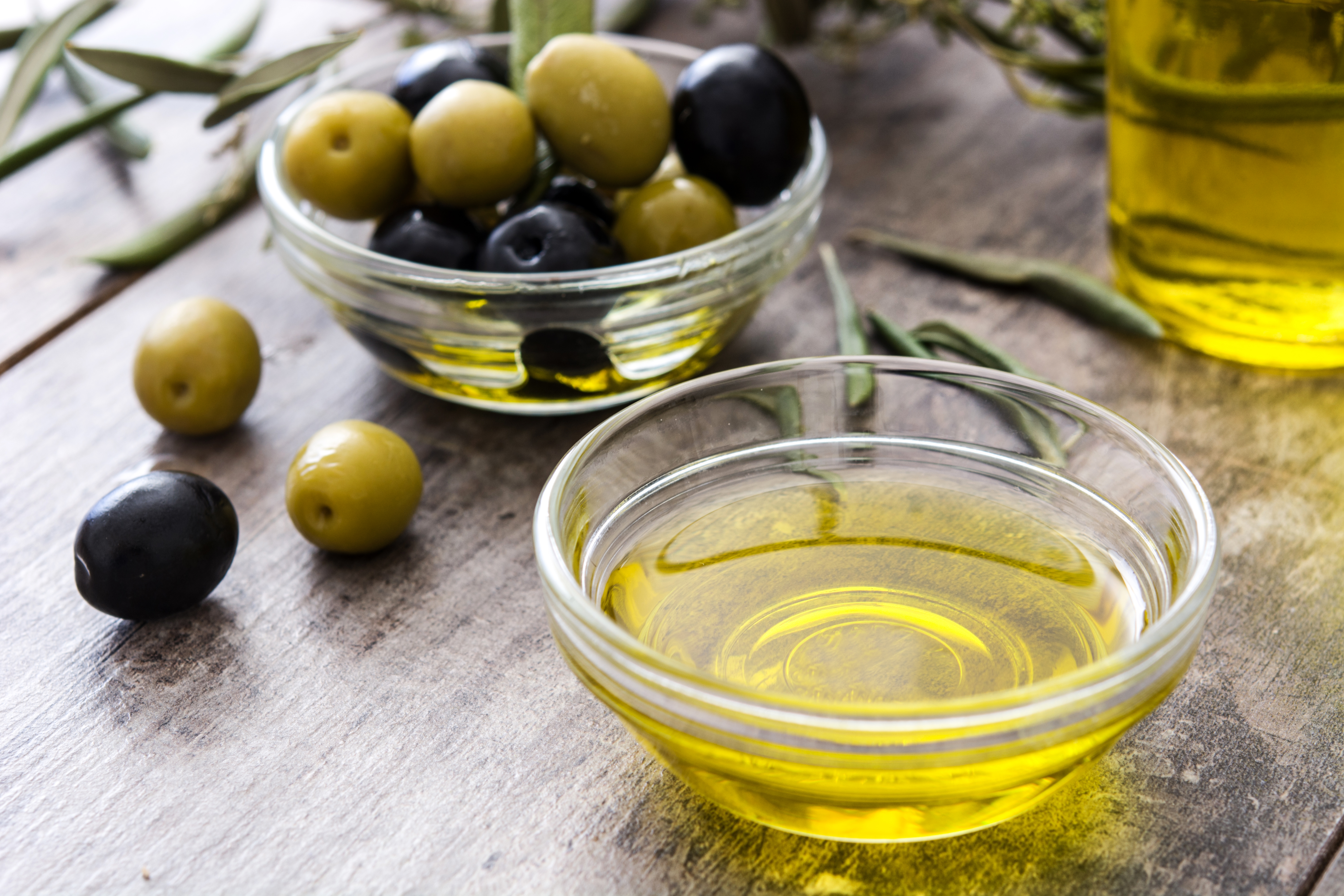
Fat Quality as a Metabolic Regulator
Knowledge Post
Dietary Fat Quality and Inflammation
Video
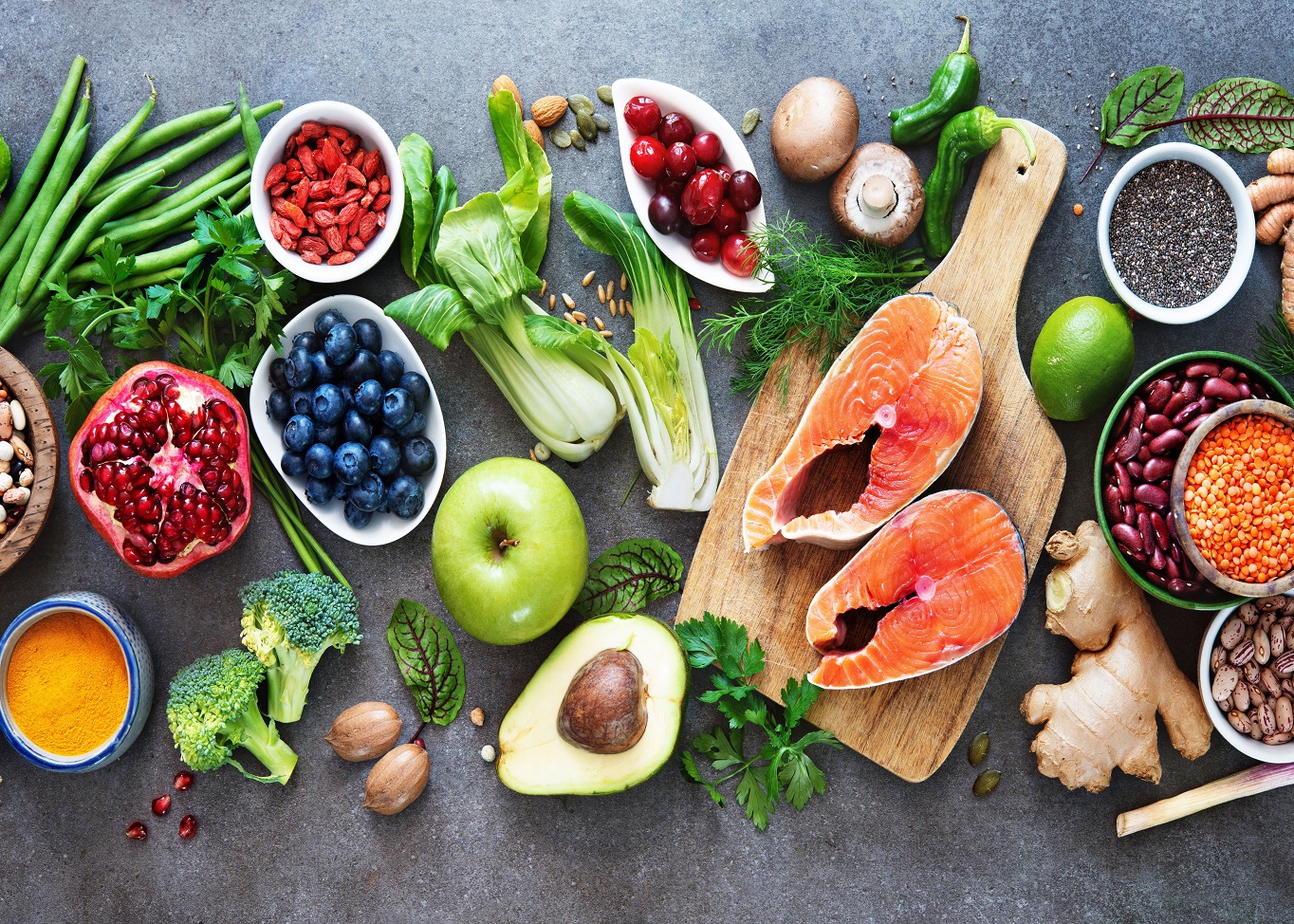
Postprandial Inflammation: Impact of Modern Diets on Cardiometabolic Risk
Postprandial inflammation is an important contributor to atherosclerosis and cardiometabolic risk. Modern diets rich in saturated fats and refined oils promote postprandial elevations in triglycerides and glucose, triggering oxidative stress, inflammation, and endothelial dysfunction. Saturated fat-rich meals induce greater inflammatory responses than unsaturated fat-rich diets. In contrast, the Mediterranean diet, particularly extra virgin olive oil, helps reduce oxidative stress and inflammation while improving endothelial function, supporting cardiovascular health.

Article
Integrating Anti-Inflammatory Nutrition With Standard Cardiometabolic Care
Anti-inflammatory nutrition is an evidence-based adjunct in cardiometabolic care, with olive oil as a key functional fat due to its high MUFA content (up to 85%) and bioactive polyphenols that reduce oxidative stress.[1][2][3][4] Strong clinical evidence supports its role across disease domains: in primary prevention, the PREDIMED trial demonstrated a significant reduction in major CVD events, while the CORDIOPREV trial confirmed benefits in secondary prevention with reduced MACE.[5][6] Additional RCT evidence in metabolic pregnancy-related dysregulation reports improved glycaemic control and reduced insulin requirement.[7] Incorporating olive oil within dietary patterns provides a practical adjunct to pharmacotherapy in cardiometabolic risk reduction.[8] Reference(s): 1. Prabhakaran D, Jeemon P, Roy A. Cardiovascular Diseases in India: Current Epidemiology and Future Directions. Circulation. 2016;133(16):1605–1620. doi:10.1161/CIRCULATIONAHA.114.008729. https://www.ahajournals.org/doi/10.1161/circulationaha.114.008729 2. Anjana RM, Unnikrishnan R, Deepa M, et al. Metabolic non-communicable disease burden report of India: the ICMR–INDIAB national cross-sectional study (ICMR-INDIAB-17). Lancet Diabetes Endocrinol. 2023;11(7):474–489. doi:10.1016/S2213-8587(23)00119-5. https://www.thelancet.com/journals/landia/article/PIIS2213-8587(23)00119-5/fulltext 3. Puri R, Mehta V, Duell PB, et al. Proposed low-density lipoprotein cholesterol goals for secondary prevention and familial hypercholesterolemia in India with focus on PCSK9 inhibitor monoclonal antibodies: Expert consensus statement from Lipid Association of India. Clin Lipidol. 2020;14(2). doi:10.1080/21602006. https://www.sciencedirect.com/science/article/pii/S1933287420300064 4. Jimenez-Lopez C, Cardenas M, Lourenco-Lopes C, et al. Bioactive Compounds and Quality of Extra Virgin Olive Oil. Foods. 2020;9(8):1014. doi:10.3390/foods9081014. https://www.mdpi.com/2304-8158/9/8/1014 5. Estruch R, Ros E, Salas-Salvadó J, et al. Primary Prevention of Cardiovascular Disease with a Mediterranean Diet Supplemented with Extra-Virgin Olive Oil or Nuts. N Engl J Med. 2018;378(25):e34. doi:10.1056/NEJMoa1800389. https://www.nejm.org/doi/full/10.1056/NEJMoa1800389 6. Delgado-Lista J, Alcala-Diaz JF, Torres-Peña JD, et al. Long-term secondary prevention of cardiovascular disease with a Mediterranean diet and low-fat diet (CORDIOPREV): a randomized controlled trial. Lancet. 2022;399(10383):1876–1885. doi:10.1016/S0140-6736(22)00122-2. https://linkinghub.elsevier.com/retrieve/pii/S0140-6736(22)00122-2 7. Xia M, Zhong Y, Peng Q, Qin C. Olive oil consumption and risk of cardiovascular disease and all-cause mortality: A meta-analysis of prospective cohort studies. Front Nutr. 2022;9:1014203. https://pmc.ncbi.nlm.nih.gov/articles/PMC9623257/ 8. Lichtenstein AH, et al. 2021 Dietary guidance to improve cardiovascular health: A scientific statement from the American Heart Association. Circulation. 2021;144:e472–e487. doi:10.1161/CIR.0000000000001031. https://www.ahajournals.org/doi/10.1161/CIR.0000000000001031
Video
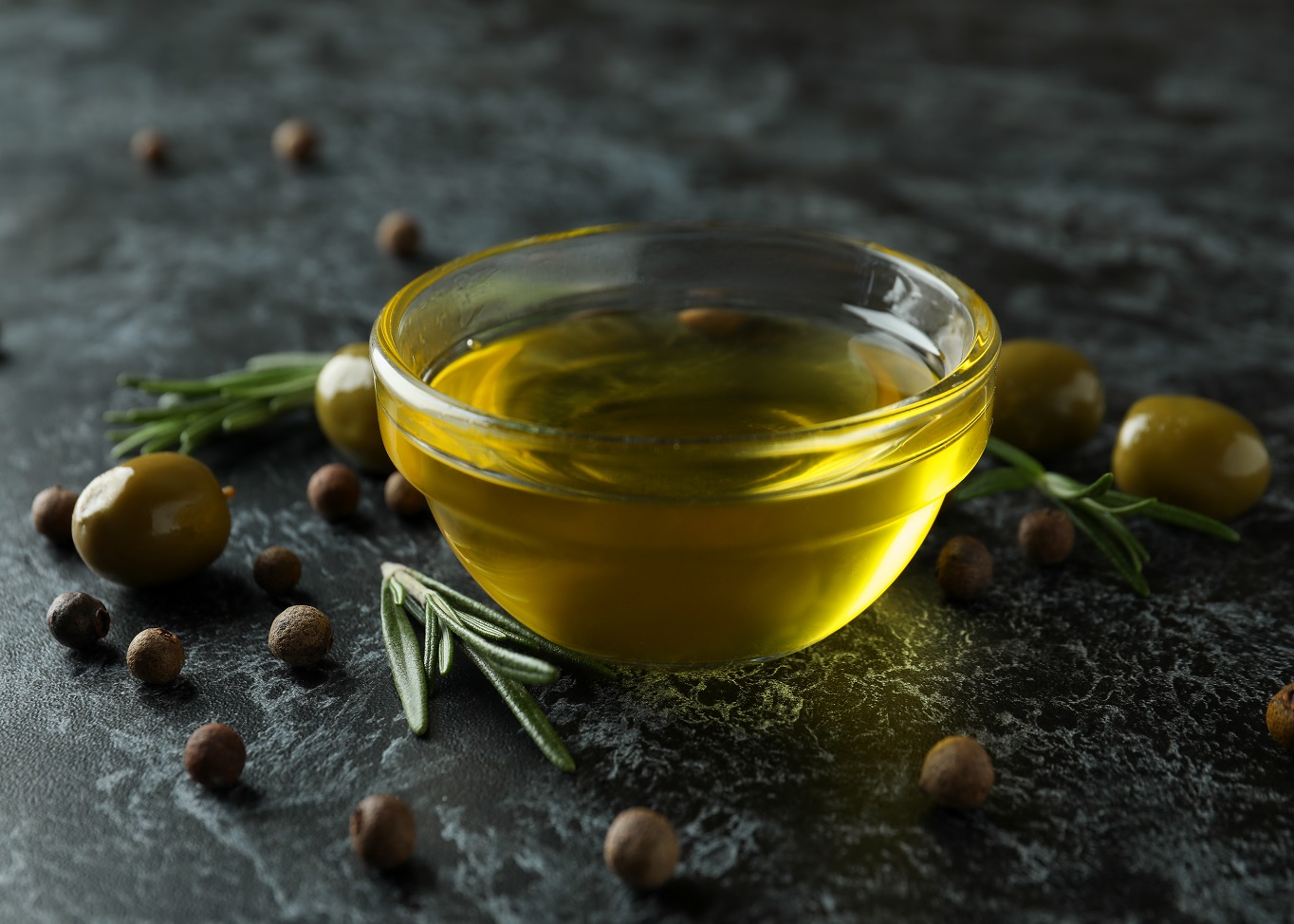
Extra Virgin Olive Oil as an Anti-Inflammatory Intervention: Mechanisms and Clinical Evidence
Chronic inflammation is a central amplifier of cardiometabolic and cardiovascular disease, driving endothelial dysfunction, oxidative stress, and progressive vascular injury.[1] Dietary compounds influence these pathways, including bioactive polyphenols in extra virgin olive oil (EVOO) — such as hydroxytyrosol and oleuropein — alongside monounsaturated fatty acids (MUFAs), predominantly oleic acid. EVOO exerts anti-inflammatory and antioxidant effects by modulating inflammatory signalling pathways, immune cell activity, and endothelial responses, thereby reducing vascular damage. It represents a clinically relevant dietary strategy that complements medical nutrition therapy in cardiometabolic risk management.[2][3][4] Reference(s): 1. Higashi Y. Roles of oxidative stress and inflammation in vascular endothelial dysfunction-related disease. Antioxidants. 2022 Sep 30;11(10):1958. 2. Ghazali R. Olive oil Compounds: Biological and Chemical Actions for Health-An updated review. Food Chemistry Advances. 2026 Mar 10:101273. https://www.sciencedirect.com/science/article/pii/S2772753X26000560 3. Casas R, Estruch R, Sacanella E. The protective effects of extra virgin olive oil on immune-mediated inflammatory responses. Endocrine, Metabolic & Immune Disorders—Drug Targets. 2018;18(1):23-35. https://www.researchgate.net/profile/Rosa-Casas2/publication/321135121_The_Protective_Effects_of_Extra_Virgin_Olive_Oil_on_Immune-mediated_Inflammatory_Responses.pdf 4. Milena E, Maurizio M. Exploring the cardiovascular benefits of extra Virgin Olive oil: insights into mechanisms and therapeutic potential. Biomolecules. 2025 Feb 14;15(2):284. https://www.mdpi.com/2218-273X/15/2/284
Article
Global Evidence and Regional Adaptation of Mediterranean Dietary Pattern in NCD Prevention
Noncommunicable diseases (NCDs) are a major public health challenge in India with 59.1% of deaths due to NCDs, 53.5% from CVD, and over 101 million people living with T2DM. [1][2] Dietary transitions toward refined carbohydrates, added sugars, refined oils, trans fats, and processed foods are increasing cardiometabolic risk.[3][4] Adopting Mediterranean-style dietary patterns serves as a countermeasure. Specifically, incorporating olive oil as primary fat provides cardioprotection due to high MUFA and low SFA profile among cooking fats, improving lipid metabolism, oxidative stress and gut health.[5][6] Reference(s): 1. Sridhar K, Dhillon PK, Bowen L, Kinra S, Bharathi AV, Prabhakaran D, Reddy KS, Ebrahim S; Indian Migration Study Group. The association between a vegetarian diet and cardiovascular disease (CVD) risk factors in India: the Indian Migration Study. PLoS One. 2014;9(10):e110586. doi:10.1371/journal.pone.0110586. https://journals.plos.org/plosone/article?id=10.1371/journal.pone.0110586 2. Anjana RM, Unnikrishnan R, Deepa M, et al. Metabolic non communicable disease health report of India: the ICMR INDIAB national cross sectional study (ICMR INDIAB 17). Lancet Diabetes Endocrinol. 2023;11(7):474–489. doi:10.1016/s2213-8587(23)00119-5. https://linkinghub.elsevier.com/retrieve/pii/S2213-8587(23)00119-5 3. Khanna U, Shah H. Dietary patterns, habits, and the rising burden of noncommunicable diseases in India. Indian J Kidney Dis. 2025;4(2):39–42. doi:10.4103/ijkd.ijkd_17_25. https://journals.lww.com/ijkd/fulltext/2025/04000/dietary_patterns,_habits,_and_the_rising_burden_of.1.aspx 4. Dehghan M, Mente A, Zhang X, et al. Associations of fats and carbohydrate intake with cardiovascular disease and mortality in 18 countries from five continents (PURE): a prospective cohort study. Lancet. 2017;390(10107):2050–2062. doi:10.1016/S0140-6736(17)32252-3. https://www.thelancet.com/journals/lancet/article/PIIS0140-6736(17)32252-3/abstract 5. Mazzochi A, Leone L, Agostoni C, et al. The Secrets of the Mediterranean Diet: Does [Only] Olive Oil Matter. Nutrients. 2019;11(12):2941. doi:10.3390/nu11122941. https://pmc.ncbi.nlm.nih.gov/articles/PMC6949890/ 6. Pant A, Chau DP, Magmas MA, Zaman S. Cardiovascular Disease and the Mediterranean Diet: Insights into Sex Specific Responses. Nutrients. 2024 Feb 19. doi:10.3390/nu16040570. https://pmc.ncbi.nlm.nih.gov/articles/PMC10893368/