
Dr. Kamaldeep Chawla
Speciality: Cardiology
MBBS, MD, DM (Cardiology), DrNB, FRCP (Edinburgh)
He has also received advanced medical education from the University of California, San Francisco.
Dr. Kamaldeep Chawla is a leading Senior Interventional Cardiologist with over 24 years of experience in advanced cardiac care, research, and healthcare leadership. He is the Director of Ayushman Heart and Wellness Center, Indore, HOD & Senior Interventional Cardiologist at Wardwizard Medicare, and Founder of GENESUTRA.
Recipient of the Times Gen Next Award 2024 and multiple Times Icon of Vadodara honors, Dr. Chawla is renowned for his expertise in complex interventions, genomics in cardiology, and preventive cardiovascular care.
Related Content

Article
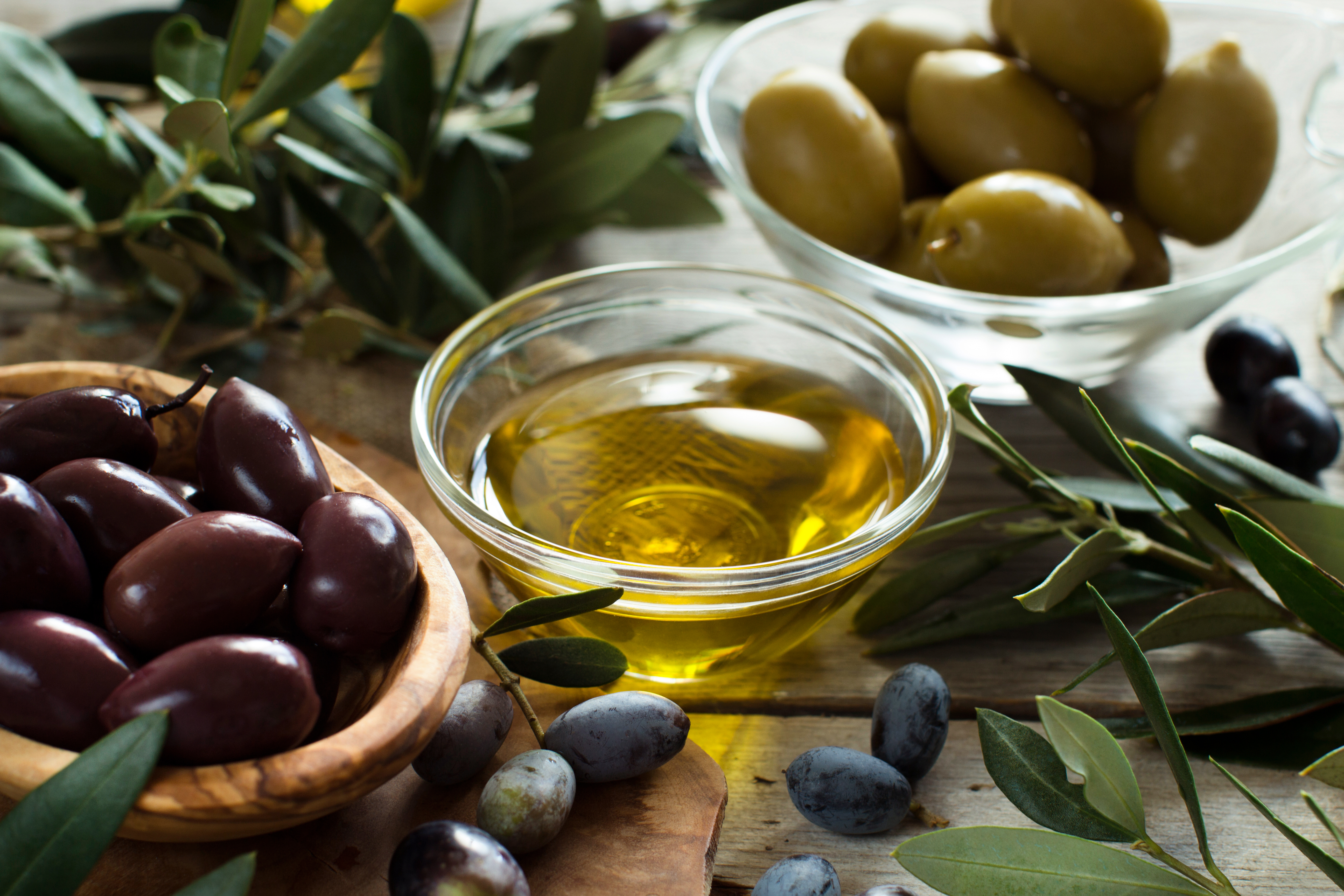
Olive Oil in Clinical Nutrition: Strategies for Lipid and Glycemic Management
Olive oil is a functional fat that promotes cardiometabolic health by enhancing lipid and glycemic profiles through its MUFA and phenolic compounds, supporting LDL-C, HDL-C, triglycerides, inflammation control, endothelial function, and postprandial lipemia. Extra virgin olive oil, rich in polyphenols, is best for drizzling and low-heat cooking, preserving its antioxidant and metabolic benefits. Olive oil for Indian Cooking features a higher smoke point, making it suitable for deep-frying, stir-frying, and everyday meals. Classic olive oil, with its robust flavor and high smoke point, is ideal for Mediterranean and continental dishes, allowing practical, heart-healthy culinary use.
Infographic
Olive Oil in Metabolic Care From Lipid Balance to Glycemic Control
Olive oil is a heart- and metabolism-supportive fat that helps improve lipid and glucose regulation through its MUFAs and phenolic compounds, positively influencing LDL-C, HDL-C, triglycerides, inflammation, endothelial health, and postprandial lipemia. Extra virgin olive oil, rich in polyphenols, is perfect for drizzling and gentle cooking, preserving its antioxidant and metabolic effects. Olive oil for Indian cooking is designed for high-heat methods like frying and stir-frying, while classic olive oil, with a robust flavor and high smoke point, enhances Mediterranean and continental dishes, combining taste with heart-healthy nutrition.
Video
From Lipid Control to Glycemic Management: Clinical Perspectives on Olive Oil
Olive oil, long celebrated for cardiovascular benefits, is increasingly recognized in clinical practice for its dual impact on lipid regulation and glycemic control. Emerging evidence highlights its monounsaturated fats and bioactive compounds as pivotal in lowering LDL cholesterol, improving insulin sensitivity, and supporting metabolic health across diverse patient populations.
Article
Integrating Olive Oil into Metabolic Care: A Nutritional Approach to Lipid and Glycemic Regulation
Olive oil is a functional fat that supports cardiometabolic health by improving lipid and glycemic profiles through MUFA and phenolic compounds, benefiting LDL-C, HDL-C, triglycerides, inflammation, endothelial function, and postprandial lipemia. Extra virgin olive oil (EVOO), rich in polyphenols, is ideal for drizzling and low-heat cooking, preserving antioxidants and metabolic benefits. Olive oil for Indian Cooking offers a higher smoke point for deep-frying, stir-frying, and daily meals. Classic olive oil, with a robust flavor and high smoke point, suits Mediterranean and continental dishes, enabling practical, heart-healthy use.